


A batch of chanterelle mushrooms from Lithuania was found to contain traces of radioactive residue exceeding the legal limit and was rejected at the border, the Food and Drug Administration (FDA) said yesterday.
The batch of mushrooms was found to contain 140.1 becquerels per kilogram of cesium-137, but the legal limit is 100 becquerels per kilogram, the FDA said.
The presence of cesium-137 was due to artificial contamination, indicating pollution in the area in which the mushrooms were cultivated, FDA Deputy Director-General Lin Chin-fu (林金富) said in a telephone interview.
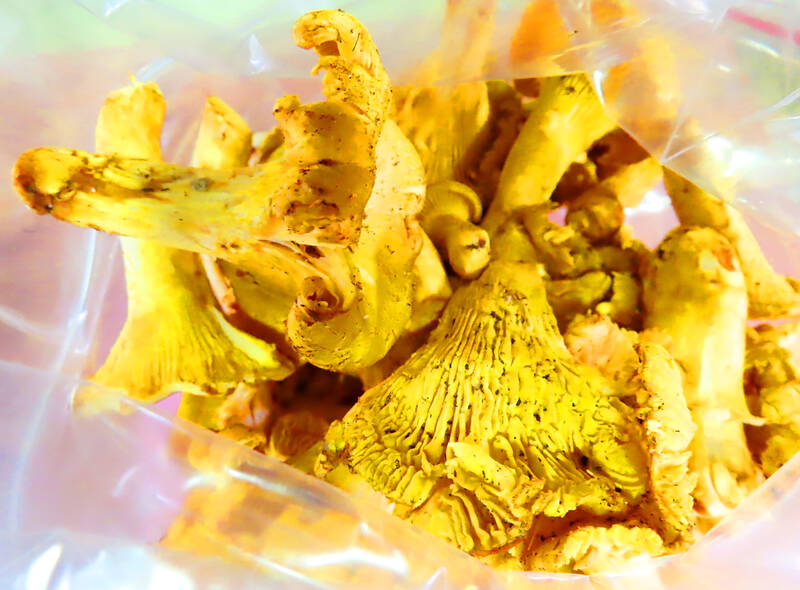
Photo Courtesy of the Food and Drug Administration
Although this was the first time chanterelle mushrooms from Lithuania have not complied with import regulations, the FDA would use the strictest methods when monitoring and inspecting imports of chanterelle mushrooms from the country, the agency said.
The same would also apply to chanterelle mushrooms from France, which twice last year failed to comply with the Act Governing Food Safety and Sanitation (食品安全衛生管理法), the agency added.
Meanwhile, two batches of seasoning and condiments imported from the US, including a sirloin seasoning and Classico Italian Sausage sauce, were rejected for containing ethylene oxide, a carcinogenic substance that is banned in Taiwan, the FDA said.
Overall, 10 batches of seasoning and condiments from the US have failed to comply with Taiwanese import laws over the past six months, it said.
The FDA said that on Tuesday last week it asked US authorities to explain the failures and propose ways to improve by Sept. 5.
Such imports from the US are now subject to more through inspections, the FDA said.
Eleven other items were seized at the border, including oranges from Japan, Acerola cherry extract from China, and Danji cucumber slices from South Korea, as they failed to meet standards for reasons including excessive pesticide residue or the presence of additives, it added.

The first global hotel Keys Selection by the Michelin Guide includes four hotels in Taiwan, Michelin announced yesterday. All four received the “Michelin One Key,” indicating guests are to experience a “very special stay” at any of the locations as the establishments are “a true gem with personality. Service always goes the extra mile, and the hotel provides much more than others in its price range.” Of the four hotels, three are located in Taipei and one in Taichung. In Taipei, the One Key accolades were awarded to the Capella Taipei, Kimpton Da An Taipei and Mandarin Oriental Taipei. Capella Taipei was described by
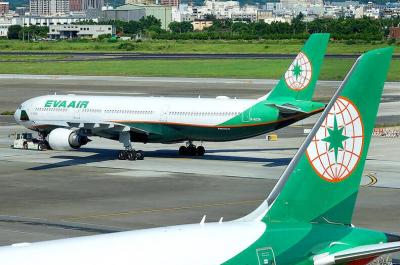
EVA Airways today confirmed the death of a flight attendant on Saturday upon their return to Taiwan and said an internal investigation has been launched, as criticism mounted over a social media post accusing the airline of failing to offer sufficient employee protections. According to the post, the flight attendant complained of feeling sick on board a flight, but was unable to take sick leave or access medical care. The crew member allegedly did not receive assistance from the chief purser, who failed to heed their requests for medical attention or call an ambulance once the flight landed, the post said. As sick
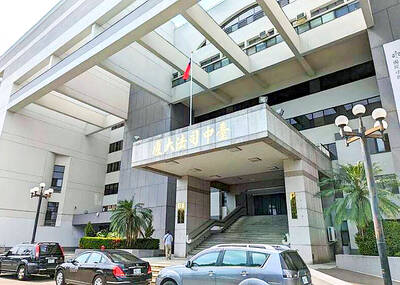
The Taichung District Court yesterday confirmed its final ruling that the marriage between teenage heir Lai (賴) and a man surnamed Hsia (夏) was legally invalid, preventing Hsia from inheriting Lai’s NT$500 million (US$16.37 million) estate. The court confirmed that Hsia chose not to appeal the civil judgement after the court handed down its ruling in June, making the decision final. In the June ruling, the court said that Lai, 18, and Hsia, 26, showed “no mutual admiration before the marriage” and that their interactions were “distant and unfamiliar.” The judge concluded that the couple lacked the “true intention of
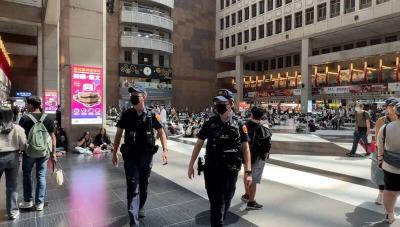
A drunk woman was sexually assaulted inside a crowded concourse of Taipei Railway Station on Thursday last week before a foreign tourist notified police, leading to calls for better education on bystander intervention and review of security infrastructure. The man, surnamed Chiu (邱), was taken into custody on charges of sexual assault, taking advantage of the woman’s condition and public indecency. Police discovered that Chiu was a fugitive with prior convictions for vehicle theft. He has been taken into custody and is to complete his unserved six-month sentence, police said. On Thursday last week, Chiu was seen wearing a white


 RSS
RSS