

對話 Dialogue
清清:華華,你的電腦能借我用一下嗎?
Qīngqing: Huáhua, nǐ de diànnǎo néng jiè wǒ yòng yíxià ma?

Photo courtesy of Pexels / 照片:Pexels 提供
華華:怎麼了?你的有什麼問題?
Huáhua: Zěnmele? Nǐ de yǒu shénme wèntí?
清清:不知道怎麼搞的,最近常常突然當機,筆電、手機也是,煩死了!
Qīngqing: Bù zhīdào zěnme gǎo de, zuìjìn chángcháng túrán dàngjī, bǐdiàn, shǒujī yěshì, fánsǐle!
華華:啊!一定是水逆害的,今年的水逆剛開始,沒想到就讓你碰到了。
Huáhua: A! Yídìng shì Shuǐnì hài de, jīnnián de Shuǐnì gāng kāishǐ, méi xiǎngdào jiù ràng nǐ pèngdàole.
清清:水逆?你是說水星逆行喔?這你也相信!
Qīngqing: Shuǐnì? Nǐ shì shuō Shuǐxīng nìxíng ō? Zhè nǐ yě xiāngxìn!
華華:相信星座的臺灣人那麼多,這有什麼?
Huáhua: Xiāngxìn xīngzuò de Táiwān rén nàme duō, zhè yǒu shénme?
清清:我覺得是我手裡的3C產品都很老了,應該換新的了,跟水逆沒關係。
Qīngqing: Wǒ juéde shì wǒ shǒulǐ de sān C chǎnpǐn dōu hěn lǎo le, yīnggi huàn xīn de le, gēn Shuǐnì méiguānxi.
華華:喔!水逆的時候人際關係容易不好,不信就算了,我不說了。我要去洗手間,電腦就給你用吧!
Huáhua: Ō! Shuǐnì de shíhòu rénjì guānxi róngyì bù hǎo, búxìn jiù suànle, wǒ bù shuō le. Wǒ yào qù xǐshǒujiān, diànnǎo jiù gěi nǐ yòng ba!
翻譯 Translation
Qingqing: Huahua, may I borrow your computer for a bit?
Huahua: What’s wrong? What happened to yours?
Qingqing: I don’t know what’s going on. It keeps crashing suddenly. My laptop and phone are the same. It’s so annoying.
Huahua: Ah, it must be because of “Mercury retrograde.” It just started this year, and you’re already feeling the effects.
Qingqing: Mercury retrograde? You actually believe that?
Huahua: So many Taiwanese people believe in astrology. What’s the big deal?
Qingqing: I think all my devices are just getting old. It’s time to replace them. It has nothing to do with Mercury retrograde.
Huahua: Oh, and they say Mercury retrograde affects relationships, too. If you don’t believe it, I won’t say anything. I’m going to the restroom. Go ahead and use my computer.
生詞 Vocabulary
1. 借 (jiè) borrow, lend
2. 水逆 (Shuǐnì) [abbr.] Mercury retrograde
3. 怎麼搞的 (zěnme gǎo de) [phrase] What’s going on? What happened?
4. 突然 (túrán) suddenly
5. 當機 (dàngjī) crash, freeze
6. 害 (hài) cause, make
7. 逆行 (nìxíng) retrograde, reverse direction
8. 星座 (xīngzuò) zodiac, horoscope
教材音檔 Audio Files
國立清華大學華語中心提供
By National Tsing Hua University Chinese Language Center:

Effective presentations focus on delivering a clear perspective rather than simply listing facts and numbers. To achieve this, you must prioritize logic and visual simplicity over information overload. Successful speakers follow the principle that every slide should focus on a single core concept. If your content feels crowded, it’s better to split the information across multiple slides so that your audience can grasp the main point within seconds. Furthermore, opt for visuals instead of lengthy descriptions, as a meaningful photo or a clear chart communicates much more effectively than a crowded table. Additionally, maintaining consistency by using the same font, limiting

A: The 2026 Nagoya Asian Games will open on Sept. 19 and run through Oct. 4. B: How many athletes will Taiwan send to the games? A: It will send 482 athletes to compete in 34 sports this time, including 45-year-old senior shooter Lin Yi-chun, an eight-time Asian Games veteran. B: And the news says that several Olympic gold medalists — including badminton superstar Wang Chi-lin, weightlifter Ko Hsing-chun and boxer Lin Yu-ting — will also compete in the games. A: Taiwan actually won 19 gold medals at the 2023 Hangzhou Asian Games, ranking sixth on the medal tally.

Sitting down with a cup of coffee is one of life’s simple pleasures. However, many people are not fully aware of the actual differences between different types of coffee beyond their names. For example, what exactly is espresso? Although the name may sound like “express,” it is more closely related to the Italian idea of coffee being “pressed out” under pressure. That, however, is only part of the story. What makes this more confusing is that all espresso is coffee, but not all coffee is espresso. The differences largely come down to the type of roast and how the
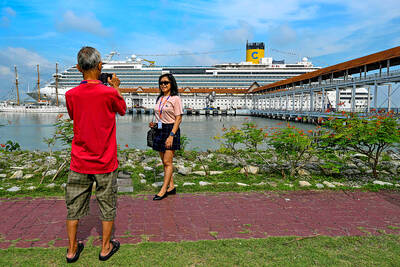
A: Wow, the 20th Asian Games will open tomorrow in Nagoya, Japan, with over 11,000 athletes from 45 countries and regions competing in 43 sports. B: To save costs, instead of building an athletes’ village, Nagoya’s renting a cruise ship and some container houses. The quality and quantity of accommodation have drawn criticism. A: Are there any new sports in this year’s games? B: There are three new events: mixed martial arts, padel, and teqball. A: And in baseball, defending gold medalist South Korea and previous silver medalist Taiwan will meet in their first match next Monday. Let’s


 RSS
RSS