


As December arrives, the festive spirit permeates the air. Streets and alleys are decorated with twinkling lights, shop windows display seasonal goods, and charming Christmas markets attract eager anticipation.
The origins of Christmas markets can be traced back to the late Middle Ages in the German-speaking regions of Europe. Initially, these markets were held to help people stock up on meat and winter essentials. By the 14th century, craftsmen such as toy makers and basket weavers sold small items that served as Christmas gifts. Over time, this tradition evolved into the Christmas markets we know today.
In Denmark, Copenhagen’s Tivoli Gardens transforms into a breathtaking wonderland before Christmas Eve. The park is illuminated by over half a million lights, Christmas baubles, and a thousand Christmas trees, creating a dreamlike setting. Moreover, the Tivoli Youth Guard performs Christmas music, adding delightful melodies to this winter paradise.
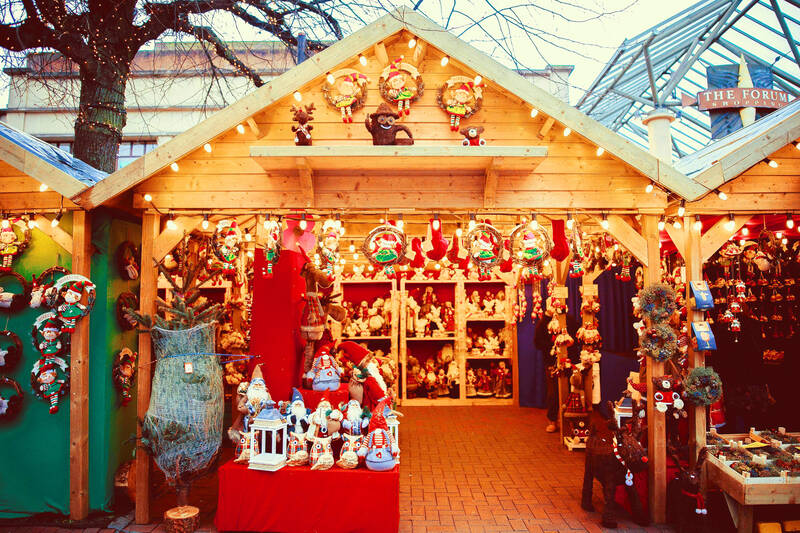
Photo courtesy of Pexel 照片:Pexel
Budapest’s Christmas market in Hungary is even more unique. A bright light sculpture projection show is staged on the exterior walls of the basilica, depicting Christmas stories and religious tales. The market hosts 160 stalls offering diverse Hungarian handcrafts, from ceramic trees to nesting dolls. Local snacks, such as chimney cake and spiral strudel, are also not to be missed, their special flavors bringing a touch of warmth to the cold winter.
Whether it’s the fairy-tale scenery of Denmark or the visual feast of Hungary, each Christmas market has its own unique charm. This winter, step into one of these markets and immerse yourself in an exclusive celebration filled with warmth and joy.
隨著十二月的到來,空氣中瀰漫著節慶的氣息。街道和巷弄裝飾著閃爍的燈光,商店櫥窗展示應景的商品,迷人的聖誕市集吸引著人們期待的目光。
聖誕市集的起源可以追溯到歐洲德語區的中世紀晚期。最初,這些市集是為了幫助人們儲備肉類和過冬必需品而舉辦的。到了 14 世紀,玩具製造商和籃子編織商等工匠開始銷售作為聖誕禮物的小物品。隨著時間的推移,這個傳統演變成了我們今天所熟悉的聖誕市集。
在丹麥,哥本哈根的蒂沃利花園在平安夜前夕變成了一個令人驚嘆的仙境。公園被超過五十萬盞燈光、聖誕裝飾球和一千棵聖誕樹照亮,創造出夢幻般的景象。此外,蒂沃利青年樂隊演奏會聖誕音樂,為這個冬季天堂增添美妙的旋律。
匈牙利布達佩斯的聖誕市集更是獨特。一場光雕投影秀在大教堂的外牆上上演,描繪聖誕故事和宗教傳說。市集設有 160 個攤位,供應多樣的匈牙利手工藝品,從陶瓷樹到俄羅斯娃娃應有盡有。當地小吃,如煙囪捲和果餡捲,也不容錯過,它們的特殊風味為寒冷的冬天帶來一絲溫暖。
無論是丹麥的童話景象還是匈牙利的視覺饗宴,每個聖誕市集都有其獨特的魅力。今年冬天,走進其中一個市集,沉浸在充滿溫暖和喜悅的獨特慶典中吧。
MORE INFORMATION
wonderland n. 仙境
twinkling adj. 閃爍的;閃亮的
craftsman n. 工匠;工藝師
bauble n. 裝飾球
basilica n. (古羅馬)長方形建築
handcraft n. 手工藝
ceramic adj. 陶瓷的;陶器的
KEY VOCABULARY
1. permeate v. 瀰漫;滲透;充滿
The smell of freshly baked bread permeated the entire house, making everyone feel hungry.
新鮮烤麵包的香味滲透整個房子,讓每個人都餓了。
2. anticipation n. 期望;期待
The children waited in eager anticipation for the fireworks to begin.
孩子們滿懷期待地等待煙火開始。
3. breathtaking adj. 令人屏息的;驚人的
Danny gasped out loud when he saw the breathtaking view from the top of the mountain.
當丹尼從山頂看到那令人屏息的景色時,他大聲地倒抽一口氣。
4. delightful adj. 令人愉悅的;吸引人的
Look at this delightful little garden. The flowers are so bright and colorful.
看看這座引人入勝的小花園!這些花真是太鮮豔多彩了!
5. sculpture n. 雕塑;雕像
The famous artist uses marble to create his sculptures.
這位有名的藝術家用大理石來創作他的雕塑。
6. exterior adj. 外部的;外表的
The exterior walls of the house were painted a bright yellow, making it stand out in the neighborhood.
房子的外牆被漆成亮黃色,讓它在社區中格外顯眼。
7. visual adj. 視覺的;視力的
That movie was a great visual experience. It had so much color and all the scenes looked amazing.
那部電影是一場很棒的視覺體驗!它有豐富的色調,所有的場景看起來都很棒!
8. immerse oneself in 沉浸於;埋首於(事件或體驗)
Jerry moved to Japan and did his best to immerse himself in the local culture.
傑瑞移居至日本並盡力沉浸於當地的文化。
9. exclusive adj. 獨有的;豪華的;排外的
This gym is exclusive to paying members, and a membership card is required at the entrance.
這間健身房僅供付費會員專用,入口處需出示會員卡。
學習音檔: https://magazine.english4u.net/Magdata/menu/krnc3
《空中美語》雜誌APP免費下載: https://www.english4u.net/apps/index.aspx
免費收聽當月《空中美語》雜誌課文朗讀及解析 !
文章由AMC空中美語授權使用: https://www.english4u.net

Many consumers are guilty of filling drawers or closets with old laptops, cellphones, fitness trackers and other electronic devices once they are no longer needed. It’s hard to know where to recycle such items, or it seems costly and inconvenient to do so. The world generates millions of tons of electronic waste — also called e-waste — each year. According to the UN’s most recent estimate, people worldwide produced 62 million metric tons of e-waste in 2022, and only about 22 percent of it was properly recycled. The US’ Environmental Protection Agency estimates that less than a quarter of e-waste is

You’re sitting in class when a classmate asks to borrow a pencil. It seems like a small favor, so you agree without hesitation. The following week, the same classmate asks to share your notes. Later, they request help with a group project. You agree each time — after all, you helped out the first time — but before you know it, it has become automatic. This scenario demonstrates the “foot-in-the-door technique,” a psychological concept that shows how agreeing to small, acceptable demands makes it easier to accept larger ones later on. The name for this strategy comes from door-to-door
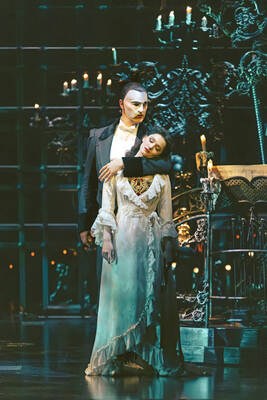
A: The four-day Tomb Sweeping Day long weekend begins Friday and will run until Monday. Are you going to sweep your ancestors’ tombs? B: I did in advance last weekend, so I can go to Kaohsiung to see the musical “The Phantom of the Opera.” A: Wow, is “Phantom” touring Taiwan again? It debuted in 1986, so this year marks the 40th anniversary of the show. B: And it’s not just touring Kaohsiung starting March 31, but also Taipei starting April 21 and Taichung starting May 26. A: “Phantom” is one of the world’s Four Major Musicals. I’ve seen all of them, except “Les
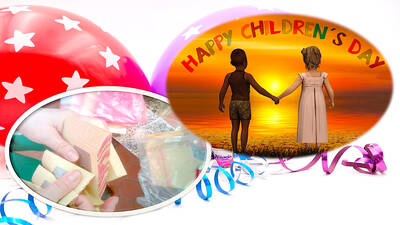
對話 Dialogue 清清:這禮拜又有連假了,這次一共放四天。 Qīngqing: Zhè lǐbài yòu yǒu liánjià le, zhè cì yígòng fàng sì tiān. 華華:你是要過兒童節還是清明節? Huáhua: Nǐ shì yào guò Értóng jié háishì Qīngmíng jié? 清清:都要過啊!不管幾歲,都要有童心,才能永遠都年輕,知道嗎? Qīngqing: Dōu yào guò a! Bùguǎn jǐ suì, dōu yào yǒu tóngxīn, cái néng yǒngyuǎn dōu niánqīng, zhīdào ma? 華華:好啦!能當個長不大的孩子也好,就不會有那麼多煩惱了。 Huáhua: Hǎo la! Néng dāng ge zhǎngbúdà de háizi yě hǎo, jiù bú huì yǒu nàme duō fánnǎo le. 清清:還好春天有這兩個節假日,常常可以變成連假休息一下。 Qīngqing: Háihǎo chūntiān yǒu zhè liǎng ge jiéjiàrì, chángcháng kěyǐ biànchéng liánjià xiūxi yíxià. 華華:對啊!上禮拜我已經先跟家人去掃墓了,就怕清明節當天人太多。 Huáhua: Duì a! Shàng lǐbài wǒ yǐjīng xiān gēn jiārén qù sǎomù le, jiù pà Qīngmíng jié dāngtiān rén tài duō. 清清:親人雖然過世了,但有清明節掃墓的習俗,讓我們在不同的世界還是能「聚」一下、說說話,真的很有意義。 Qīngqing: Qīnrén suīrán guòshì le, dàn yǒu Qīngmíng jié


 RSS
RSS