


★Continued from yesterday(延續自昨日):
Contrary to how they are viewed in the East, dragons in Western cultures are often seen as evil, fire-breathing beasts associated with greed and chaos. Typically, Western dragons are depicted as two-winged, four-legged lizards with sharp teeth and claws, unlike Asian dragons that normally do not have wings or breathe fire. However, early Western dragons, including those from Norse and Mediterranean traditions, were often portrayed as large snakes. This is no surprise given that the word “dragon” comes from a Greek term that means “serpent” or “giant sea fish.”
Western dragons are frequently featured in myths and legends. One of the most famous dragons in Western mythology is the European dragon. This type of dragon is a common theme in medieval legends and fairy tales. In many of these stories, the evil beasts are often killed by heroes in the end.
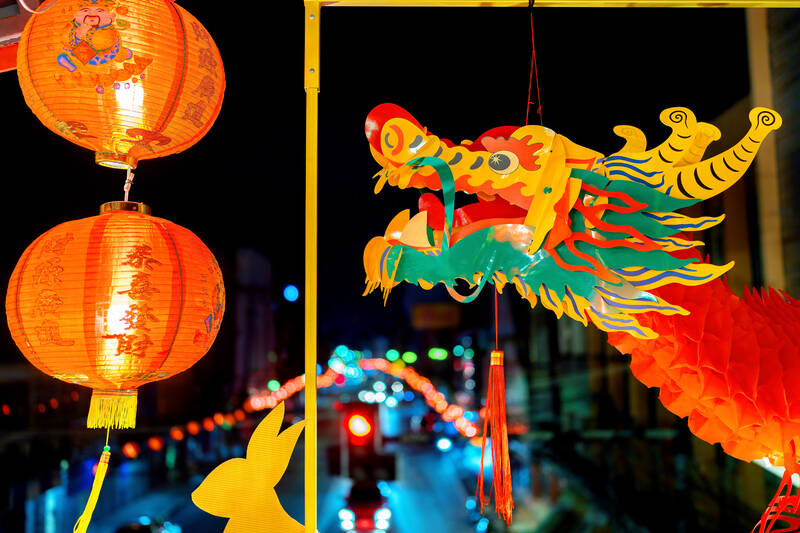
Photo: AdobeStock 照片:AdobeStock
The significance of Western dragons isn’t limited to folktales. They also play important roles in religious and cultural traditions. For example, in parts of the Bible, dragons represent the devil. Meanwhile, in Norse mythology, dragons are said to be a symbol of vast destruction. However, the Vikings saw dragons as symbolic of wealth and power, similar to how the Asian dragons are viewed.
Dragons are fascinating mythical creatures that have captured the imagination of people worldwide for many centuries. Despite the difference in their perception between Eastern and Western cultures, they all share a common sense of mystery and wonder. Even today, dragons continue to be frequent characters in books, movies, TV shows, video games and various other forms of media.
與東方對龍的看法相反,西方文化中的龍通常被視為邪惡、會噴火的野獸,與貪婪和混亂聯想在一起。一般而言,西方龍被描繪成長著兩隻翅膀、四條腿、有著鋒利牙齒和爪子的蜥蜴,與通常沒有翅膀、不會噴火的亞洲龍不同。不過,西方早期的龍—包括北歐和地中海傳統中的龍—常常被描繪成大蛇。這並不意外,因為「龍」這個字來自希臘語,意思是「蛇」或「巨大的海魚」。
西方龍經常是神話和傳說中的要角。西方神話中最有名的龍之一是歐洲龍。這種龍是中世紀傳說和童話中常見的主題。在許多的這些故事中,這種邪惡的野獸最後往往會被英雄殺死。
西方龍的重要性不僅限於民間故事。牠們在宗教和文化傳統中也扮演著重要的角色。例如,在聖經的部分章節中,龍代表魔鬼。同時,在北歐神話中,據說龍是巨大毀滅的象徵。不過維京人認為龍象徵財富和權力,這和對亞洲龍的看法類似。
龍是一種迷人的神話生物,幾個世紀以來引起了世界各地人們的想像。儘管東西方文化對龍的看法不同,但牠們都有一種共同的神祕和驚奇感。甚至到了今日,龍依然是書籍、電影、電視節目、電玩遊戲和其他各種形式的媒體中經常出現的角色。
What Did You Learn?
1. How are Japanese dragons different from Chinese ones?
(A) They have longer, more colorful tails. (B)They have bigger wings and breathe fire. (C) They have bodies that are more similar to snakes. (D) They have thinner bodies and larger heads.
2. Which of the following statements is true about dragons in the West?
(A) Norse dragons are usually shown as winged lizards.
(B) They have been vital figures in literature and religion.
(C) They are always regarded as friendly and gentle creatures.
(D) European dragons are often connected with heroes who try to capture them.
3. How are dragons similar in both the East and the West?
(A) They use wings to fly. (B) They are symbols of peace.
(C) They are seen as dangerous and evil. (D) They are associated with mystery and wonder.
4. Four people are talking about dragons. Which of the following is NOT correct?
(A) “Dragons play a crucial role in traditional festivities of the East.”
(B) “The emperor’s throne can be referred to as the dragon chair in English.”
(C) “Dragons symbolize wealth and power in certain sections of the Bible.”
(D) “Kids born in the Year of the Dragon are thought to be wise and natural leaders.”
答案: 1. C 2. B 3. D 4. C
Words in Use
1. beast n. 野獸
Lions are referred to as the king of beasts in the animal kingdom. 獅子被稱為動物界的野獸之王。
2. greed n. 貪婪,貪心(不可數)
Endless greed for wealth drove the man to take illegal actions.
對財富無止盡的貪婪驅使那名男子採取非法行動。
3. claw n.(動物的)爪
A bear’s powerful claws are suitable for digging and catching fish. 熊強而有力的爪子很適合挖掘和抓魚。
4. frequently adv. 經常地,頻繁地
frequent a. 常見的
It’s important to water the plants frequently to help them thrive. 重要的是,要常常幫這些植物澆水以讓它們枝繁葉茂。
Extreme weather is becoming frequent in recent years.
近年來,極端天氣變得越來越常見。
5. legend n. 傳說
Legend has it that there are mysterious creatures inhabiting the nearby forest. 傳說有神祕的生物居住在附近的森林內。
6. religious a. 宗教的
Many people find peace in their religious beliefs.
許多人在自己的宗教信仰裡找到平靜。
7. meanwhile adv. 同時;在此期間
The construction of the building is progressing. Meanwhile, the interior design team is finalizing their drafts.
那棟建築的建設正在進行。同時,室內設計團隊也即將完成草圖。
8. destruction n. 毀滅,破壞
The flood caused widespread destruction in the area.
那場洪災在該地區造成大範圍的破壞。
9. worldwide adv. 在世界各地
The company’s products are sold worldwide in over 100 countries. 該公司的產品在世界各地一百多國販售。
10. mystery n. 神祕(的事物),謎
Crop circles are a mystery that many think are created by aliens. 麥田圈是個謎,很多人認為它們是外星人製造的。
Practical Phrases
1. contrary to... 與……相反
Contrary to Sherry’s expectations, the cake tasted awful.
與雪莉預期的相反,那蛋糕很難吃。
2. depict A as B 將 A 描繪∕描述∕描寫成 B
= portray A as B
In this novel, the main character is depicted as a courageous and determined individual.
在這本小說中,主角被描寫成一位勇敢又堅決的人。
3. be limited to... 受限於……
Access to the gym is limited to members only.
僅限會員能進入該健身房。
聽文章朗讀及講解: https://ivy.pse.is/455bfu
本文出自常春藤解析英語雜誌: www.ivy.com.tw

Every few years, the World Baseball Classic (WBC) offers sports fans a real World Series. At its finest, as in the shocking upset on Tuesday last week of the US team by Italy, the games generate the kind of electricity fans feel at the FIFA World Cup. That’s exactly how Major League Baseball (MLB), which owns the WBC, wants it. The tournament, first played in 2006, was designed to boost the league’s profile beyond North America and help it become a global game. In most respects, it’s done better than expected. Yet as the WBC grows, the structure, timing and staging of
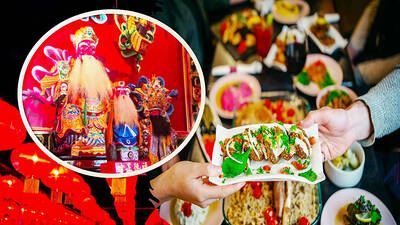
對話 Dialogue 清清:華華,別忘了這禮拜五晚上,老闆請喝春酒喔! Qīngqing: Huáhua, bié wàngle zhè lǐbàiwǔ wǎnshàng, lǎobǎn qǐng hē chūnjiǔ o! 華華:啊!我差點忘了,謝謝提醒。 Huáhua: À! Wǒ chàdiǎn wàngle, xièxie tíxǐng. 清清:老闆人真好,過年前請我們吃尾牙,過完年又請吃春酒。 Qīngqing: Lǎobǎn rén zhēn hǎo, guònián qián qǐng wǒmen chī Wěiyá, guòwán nián yòu qǐng chī chūnjiǔ. 華華:尾牙是感謝我們過去一年的辛勞,春酒是希望我們今年繼續努力啊! Huáhua: Wěiyá shì gǎnxiè wǒmen guòqù yì nián de xīnláo, chūnjiǔ shì xīwàng wǒmen jīnnián jìxù nǔlì a! 清清:給我加薪,我就努力。 Qīngqing: Gěi wǒ jiāxīn, wǒ jiù nǔlì. 華華:還真是「有錢能使鬼推磨」。 Huáhua: Hái zhēn shì “Yǒu qián néng shǐ guǐ tuī mò.” 清清:那還用說。對了!別只顧著吃,頭牙快到了,農曆二月二是土地公生日,記得跟我去拜拜。 Qīngqing: Nà hái yòng shuō. Duìle! Bié zhǐ gùzhe chī, Tóuyá kuài dàole, nónglì èr yuè èr shì Tǔdìgōng shēngrì, jìdé gēn wǒ qù bàibai. 華華:沒問題,東西我來準備,放心吧!一起發大財! Huáhua: Méi wèntí, dōngxi wǒ lái zhǔnbèi, fàngxīn ba!
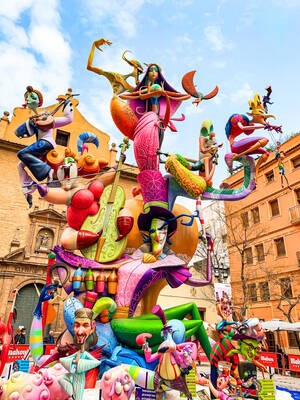
When people think of Spain, they often picture bullfights and flamenco—but there’s another celebration you shouldn’t miss. Every March, Valencia comes alive with “Las Fallas.” Its origins go back centuries to when carpenters burned wooden scraps they no longer needed to welcome spring as winter ended. Over time, the custom evolved from bonfires to giant street sculptures called fallas. This tradition has since developed into a UNESCO-recognized event that attracts millions of visitors. This festival centers on the ritual burning of falla monuments. Each monument is made up of several ninots: giant puppets that are crafted all year by local artists.

A: South Korean supergroup BTS is finally staging a comeback tomorrow, releasing their new album in nearly four years: “Arirang.” B: And to promote their new album, BTS will hold a comeback concert at the Gwanghwamun Plaza in downtown Seoul this weekend. According to police estimates, the show could attract a crowd of at least 260,000 fans. A: What about their new world tour? When will it start? B: The upcoming world tour will kick off from Gaoyang on April 9, and Kaohsiung will be included this time. A: Really? Hurry up and tell me the dates of the Kaohsiung shows. Maybe we


 RSS
RSS