


電價費率審議會登場,全台連續四年凍漲的電費,在全球燃料價格攀升和烏俄戰爭等因素影響下,將調整電價方案。然而剛進入炎熱的夏季,又是用電的高峰時期,要如何節能省電呢?本次就讓我們來看既環保又省荷包的小撇步,還能學會超實用英文喔!
1. 在夜晚使用家電
Run appliances that produce heat at night — when it’s cooler. We’re talking appliances like your clothes drier, dishwasher, and oven. (Fox29)
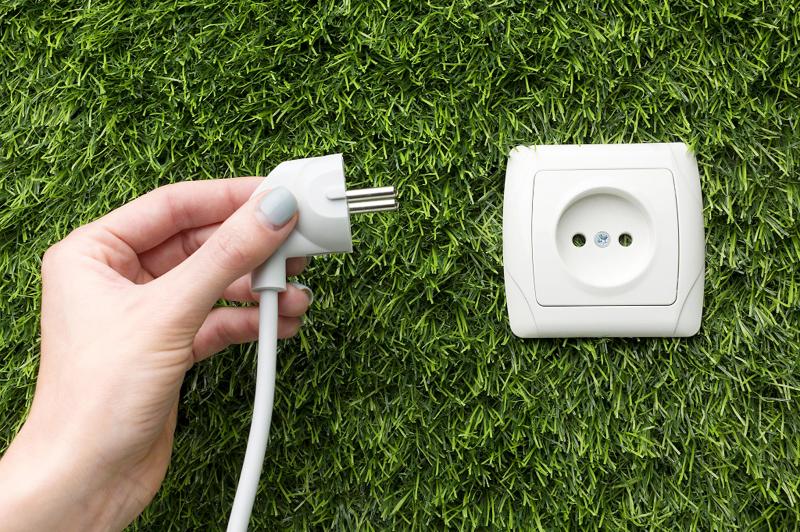
Photo courtesy of freepik / 照片:freepik提供
(在晚上氣溫較涼爽的時候,使用會產生熱氣的家電用品,例如烘衣機、洗碗機和烤箱。)
appliance (n)「電器」是多益測驗的高頻字彙,通常出現在採購、製造、房地產等情境,描述microwave oven「微波爐」、dishwasher「洗碗機」等household appliances 或是 home appliances「家電」,經常搭配動詞install「安裝」。廚房的家電中,較為省電電器應該就是微波爐,或許減少使用瓦斯爐、烤箱對省電將有相當的助益。
According to the advertisement, the apartment is equipped with state-of-the-art appliances.(根據廣告,這間公寓備有最先進的家電。)
2. 拉起窗簾降溫
Simply closing blinds and curtains, which act as a layer of insulation can reduce
heat in your home.(拉起窗簾和百葉窗做為絕緣體,可降低家中的熱氣。)
insulate (v)「阻隔;隔離」通常用來描述隔絕噪音或氣溫,例如冬天時適當的insulate「隔絕」冷空氣,可以避免家中溫度太低。許多冬天穿的厚外套經常會有insulation「防風層」可以阻擋冷空氣,達到保暖的效果。
You can bring down the energy use and cost if you properly insulate your home.
(房子適當的隔熱可以降低能源使用和費用。)
3. 自動調溫器
Programmable thermostats can be set, so that your air conditioner run less when you’re sleeping or when you’re at work.
(設定自動調溫器,讓你在睡覺或工作時使用少一點的冷氣。)
programmable「可編程的」來自program一詞,當動詞時解釋為「設定;編寫程式」,當名詞時則有許多不同的意思,例如「程式」、「節目、節目單」或「計畫、方案」,因此程式編寫可以用programming,「程式設計師」就是programmer,但是要注意的是programmer 發音時的重音是在第一音節,不要念錯。
The information regarding the newly launched recycling program is posted on the bulletin board in the employee break room.
(有關新啟動的回收計畫資訊公佈在員工休息室的佈告欄上。)
The ideal candidate for this position needs to have a degree in computer science
and at least three years’ experience in programming.
(該職務的理想候選人需要有資訊科學系的學位,和至少三年編寫程式的經驗。)
thermostat (n) 解釋為「自動溫度設定器」。從字根「thermo-」與「therm-」的本 heat「熱度」,可以判斷出這個單字跟溫度有關。相似用法有「thermo-」熱度+「meter-」測量組合起來的thermometer「溫度計」,以及thermal underwear「保暖內衣」,口語上經常用thermals來表示。另外著名的保溫杯品牌thermos(膳魔師),也是由這個字根組成。
Thermal springs have certain health benefits.(溫泉對健康有好處。)
4. 減少燈泡使用
Two 100-watt incandescent bulbs switched off an extra two hours per day could save you US$15 over a year. Better yet, switch to LED.
(將兩個一百瓦的白熾燈泡每天關掉兩個小時,能讓你一年省下十五美元。若能換成LED燈更好。)
switch 後方接on/off 時,解釋為「(電器的)開/關」,相似用法有turn on/off 以及power up/off。switch 另一個常用的意思是change「改變」。
The light switch is located behind the door.(燈的開關在門後。)
5. 習慣拔掉插頭
Standby power can account for 10 percent of an average household’s annual electricity use. Unplug unused electronics and save US$50 a year.
(待機使用約占年度家庭用電的百分之十,將未使用的電器插頭拔掉每年可省五十美元。)
Plug (n) 代表「插頭」,當動詞時解釋為「插電」。plug in「插入插頭」的反義字「拔掉插頭」不是plug out,而是unplug 或是remove the plug。
This plug doesn’t fit into the power outlet. You might need to get an adapter.
(這個插頭無法插進插座,你可能需要一個轉換器。)
【多益模擬試題】
1. During the meeting last week, John suggested ________to another carrier to reduce the shipping cost.
(A) switch (B) to switch
(C) switching (D) switches
2. The ________ for our upcoming corporate event should be updated before you send out the invitations to our customers.
(A) destination
(B) recommendation
(C) practice
(D) program
【解析】
1. 正解(C)。句意為「在上周會議上,約翰建議改用另一家物流公司以降低運輸成本。」本題是文法題,重點在動詞的形式,通常兩個動詞間會用不定詞to連結,但是suggest後方直接接動詞則需要用動名詞的形式,故(C)為正確答案。
2. 正解(D)。句意為「在您向我們的客戶發送邀請之前,應先更新我們公司即將舉行的活動計畫。」本題為單字題,要選擇適合句意的答案。(A)目的地、(B)推薦、(C)操練,故正確答案為 (D)計畫。
SOURCE: https://www.englishok.com.tw/toeic/toeic-issue/5-tips-to-save-electricity
文章由 English OK 授權使用: www.englishok.com.tw

A: Popular humorous Japanese manga series “Chibi Maruko-chan” and “Crayon Shin-chan” will collaborate for their respective 40th and 35th anniversaries, publishing three crossover stories in April. B: Both were made into TV animation series, becoming huge hits in Asia. What are the crossover stories about? A: The first story features Shin-chan and his family visiting Maruko-chan’s hometown, Shizuoka City, where they run into each other. B: Wow, that sounds interesting. And then? A: The follow-ups feature Maruko-chan and her family visiting Shin-chan’s hometown, Kasukabe City. I bet the interactions between the two families will be funny. A: 熱門日本漫畫《櫻桃小丸子》、《蠟筆小新》4月將合作,為紀念小丸子40週年與小新35週年,推出三篇跨界聯動漫畫! B:

Travel fever is back, and it’s contagious. After years of being kept home during the COVID-19 pandemic, people are once again eager to explore the world. Rather than just book any trip, travelers are getting smarter about how they scratch that travel itch. Microcation Defined as four days or fewer and over 160km away from home, the microcation perfectly matches the post-pandemic mindset. After long periods of remaining indoors, people are making up for lost time by taking short, frequent getaways throughout the year. These brief trips avoid the work-life imbalance that comes with long absences. With only a few days away, one’s
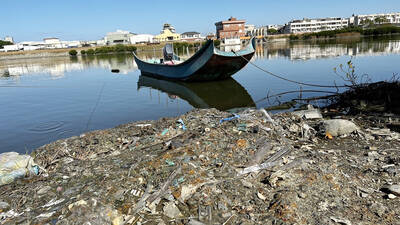
Many consumers are guilty of filling drawers or closets with old laptops, cellphones, fitness trackers and other electronic devices once they are no longer needed. It’s hard to know where to recycle such items, or it seems costly and inconvenient to do so. The world generates millions of tons of electronic waste — also called e-waste — each year. According to the UN’s most recent estimate, people worldwide produced 62 million metric tons of e-waste in 2022, and only about 22 percent of it was properly recycled. The US’ Environmental Protection Agency estimates that less than a quarter of e-waste is

Dos & Don’ts — 想想看,這句話英語該怎麼說? 1. 我們很早到達電影院。 ˇ We arrived at the theater very early. χ We arrived the theater very early. 註︰arrive 為不及物動詞,後面如果有受詞要用 at 或 in。例如:They arrived in Taipei yesterday.。一般大地方,如國家、省、大城市等前面用 in,凡小地方城鎮、學校等則用 at。 2. 開車半小時以後,我們到達了海灘。 ˇ After half an hour’s drive, we got to the beach. χ After half an hour’s drive, we got the beach. 註︰come, go, get(來、去、到達)某地時,在表示地點的名詞前面應該用 to,如 go to school, go to Taipei, come to Shanghai 等。如果這些動詞後面所跟的是 here, there, home 等副詞,則不用 to。 3. 明天我會回辦公室。 ˇ I will be back in the office tomorrow. χ I will be back to office tomorrow. 註︰to be back 一語裡的 back 是副詞,不是介詞,所以後面要用 at (the market) 或 in (the office)。 假如假期結束,要回學校上課了則可說: ? Kids will be back


 RSS
RSS