


During the COVID-19 pandemic, many airlines have been getting very creative and have launched various kinds of simulated overseas trips to keep the money flowing. Business owners say that the pandemic has been with us for a year, but its impact on the aviation tourism industry is no less severe, so the tourism market is still expected to focus mainly on domestic travel this year.
The Matsu pilgrimage craze in March is Taiwan’s grand annual religious event, attracting tens of thousands of believers every year. One travel agency that is aiming at business opportunities for simulated overseas flights plans to cooperate with Tigerair Taiwan and create a new in-flight attraction by launching an “airborne version” of the Matsu pilgrimage.
Chung Hsing Travel Service chairman Lee Chi-yueh said that, having by chance become director-general of Taipei’s Shengxing Tianhou Temple, he came up with the fancy idea of collaborating with Tigerair Taiwan to launch Taiwan’s first aerial Matsu pil-grimage. He said the flight is due to launch in March as a warm-up for the grand event of Matsu pilgrimages around the island.
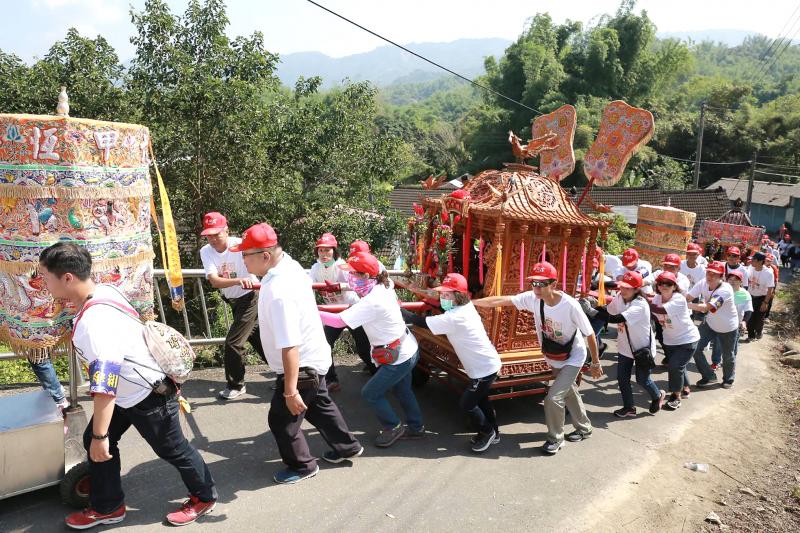
Photo: Yang Chin-cheng, Liberty Times 照片:自由時報記者楊金城
According to the plan, the flight will take about two hours. A Taoist priest will be invited to pray at the airport before departure. Three statues — Matsu, her attendants Qianliyan (lit. eyes that see a thousand leagues) and Shunfenger (lit. ears that hear the wind) will be carried on the plane. Departing from Taipei, the flight will follow a route around eastern Taiwan to the islands of Penghu, Kinmen and Matsu before flying above Japan’s Miyako Island. Blessings and chanting ceremonies will be held in the air, linking with Taiwan’s unique religious events and praying for the pandemic to disappear.
(Translated by Lin Lee-kai, Taipei Times)
疫情期間各家航空公司大搞創意,推出各式類出國行程,創造金流;業者透露,疫情海嘯已屆滿週年,但對航空旅遊業的衝擊不減,預估今 年旅遊市場還是以國旅為主。
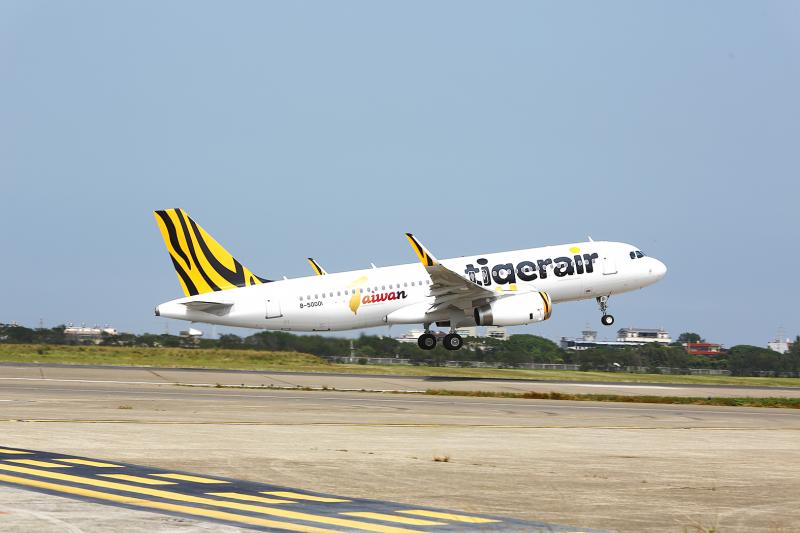
Photo courtesy of Tigerair Taiwan 照片:台灣虎航提供
三月瘋媽祖是台灣年度宗教盛事,每年都吸引成千上萬信徒跟隨,有旅遊業者瞄準類出國航班商機,規劃攜手台灣虎航推出「空中版」媽祖繞境,盼為類出國創造新噱頭。
創新旅行社董事長李奇嶽表示,自己因緣際會接下台北聖興天后宮總幹事一職,突發奇想找上台灣虎航希望推出全台首個空中媽祖繞境航班。他表示,空中媽祖繞境航班規劃今年三月啟航,為國內媽祖繞境活動提前暖身。
據規劃,該航班航程約兩小時,出發前會請道長在機場進行祈福儀式,並請媽祖、千里眼及順風耳三尊神像上機,從台北出發繞東台灣再飛往澎湖、金門、馬祖,接著飛往日本宮古島上方,空中將舉辦祈福、誦經儀式,結合台灣獨有的宗教盛事,祈求疫情退散。
(自由時報記者蕭玗欣)

Every few years, the World Baseball Classic (WBC) offers sports fans a real World Series. At its finest, as in the shocking upset on Tuesday last week of the US team by Italy, the games generate the kind of electricity fans feel at the FIFA World Cup. That’s exactly how Major League Baseball (MLB), which owns the WBC, wants it. The tournament, first played in 2006, was designed to boost the league’s profile beyond North America and help it become a global game. In most respects, it’s done better than expected. Yet as the WBC grows, the structure, timing and staging of

Dos & Don’ts — 想想看,這句話英語該怎麼說? 1. 她德語說得和她老師一樣流利。 ˇ Her German is as fluent as her teacher’s. ˇ She speaks German as fluently as her teacher (does). χ Her German is as fluent as her teacher. 註︰這裏所比的是「她的德語」和「她老師的德語」,而不是把她的德語和她的老師這個人相比,所以必須說 her teacher’s,即 her teacher’s German。或把「她說德語」和「她老師說德語」比較。 2. 一般認為北部人生活步調和南部人不同。 ˇ The people of the North are generally described as different from those of the South in terms of pace of life. χ The people of the North are generally described as different from the South in terms of pace of life. 註︰所不同者是北部人和南部人,而不是北部人和南部地區的比較,所以應加 those of,those 代替 the people,以免重複。 3. 他的新小說和上一本風格不同。 ˇ The style of his new novel is different from that of his last one. ˇ His new
對話 Dialogue 清清:華華,別忘了這禮拜五晚上,老闆請喝春酒喔! Qīngqing: Huáhua, bié wàngle zhè lǐbàiwǔ wǎnshàng, lǎobǎn qǐng hē chūnjiǔ o! 華華:啊!我差點忘了,謝謝提醒。 Huáhua: À! Wǒ chàdiǎn wàngle, xièxie tíxǐng. 清清:老闆人真好,過年前請我們吃尾牙,過完年又請吃春酒。 Qīngqing: Lǎobǎn rén zhēn hǎo, guònián qián qǐng wǒmen chī Wěiyá, guòwán nián yòu qǐng chī chūnjiǔ. 華華:尾牙是感謝我們過去一年的辛勞,春酒是希望我們今年繼續努力啊! Huáhua: Wěiyá shì gǎnxiè wǒmen guòqù yì nián de xīnláo, chūnjiǔ shì xīwàng wǒmen jīnnián jìxù nǔlì a! 清清:給我加薪,我就努力。 Qīngqing: Gěi wǒ jiāxīn, wǒ jiù nǔlì. 華華:還真是「有錢能使鬼推磨」。 Huáhua: Hái zhēn shì “Yǒu qián néng shǐ guǐ tuī mò.” 清清:那還用說。對了!別只顧著吃,頭牙快到了,農曆二月二是土地公生日,記得跟我去拜拜。 Qīngqing: Nà hái yòng shuō. Duìle! Bié zhǐ gùzhe chī, Tóuyá kuài dàole, nónglì èr yuè èr shì Tǔdìgōng shēngrì, jìdé gēn wǒ qù bàibai. 華華:沒問題,東西我來準備,放心吧!一起發大財! Huáhua: Méi wèntí, dōngxi wǒ lái zhǔnbèi, fàngxīn ba!
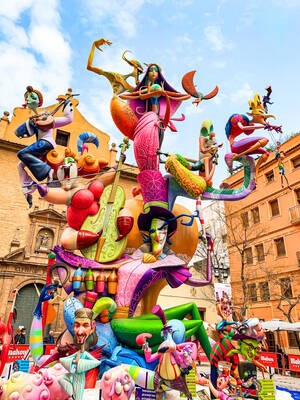
When people think of Spain, they often picture bullfights and flamenco—but there’s another celebration you shouldn’t miss. Every March, Valencia comes alive with “Las Fallas.” Its origins go back centuries to when carpenters burned wooden scraps they no longer needed to welcome spring as winter ended. Over time, the custom evolved from bonfires to giant street sculptures called fallas. This tradition has since developed into a UNESCO-recognized event that attracts millions of visitors. This festival centers on the ritual burning of falla monuments. Each monument is made up of several ninots: giant puppets that are crafted all year by local artists.


 RSS
RSS