

A: OK, now this is more like the kind of thing I was envisioning when you said wonderful architecture.
B: This is a nice example of a restored historical structure. I think the restorers have done an excellent job of returning the building back to its original appearance.
A: I’m guessing this is a family shrine. Is the brickwork all original?
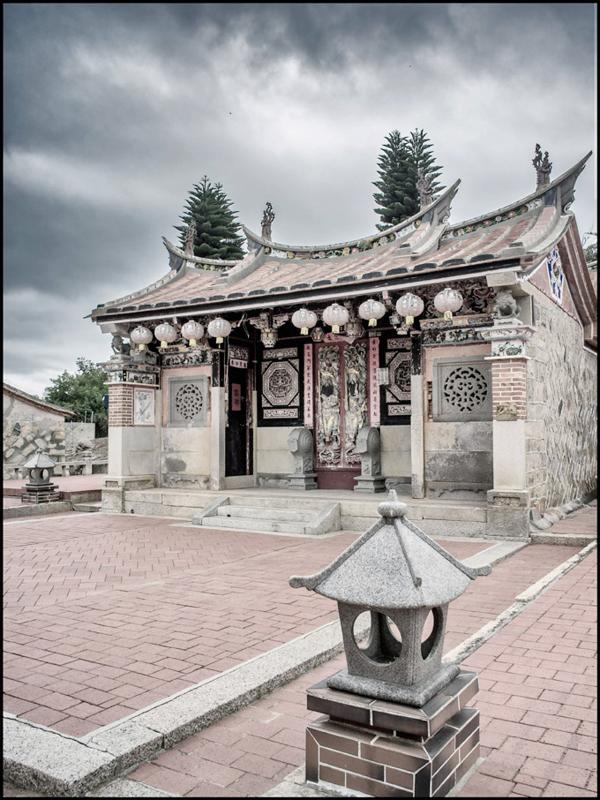
Photo: Paul Cooper, Taipei Times 照片:台北時報古德謙
B: I can’t be sure, but I would imagine this part of the wall is all new. Can you see the different sizes and layout of the bricks here?
A: OK,現在這裡就比較像是你當初跟我說的很棒的建築了。
B: 這是歷史建築修復很好的例子。我認為修復師做得很棒,把建築恢復成它原來的樣子。
A: 我猜這是一座宗祠。這些砌磚都是原來的嗎?
B: 我不確定。不過我猜牆的這個部份是全新的。你看到這裡的磚頭,它的大小和排列方式不一樣嗎?
(Paul Cooper, Taipei Times/台北時報林俐凱譯)
English 英文:
Chinese 中文:

The heads of leading US AI labs came together in a rare show of unity earlier this month, agreeing to slow the technology’s development, warning it could soon improve on its own and slip beyond human control. The remarks, from fierce business rivals such as Anthropic’s Dario Amodei, OpenAI’s Sam Altman and xAI’s Elon Musk, show how quickly AI has advanced, from the hallucination-prone ChatGPT of 2022 toward what many see as a critical milestone: recursive self-improvement. WHAT IS RECURSIVE SELF-IMPROVEMENT? Central to the field is the idea that an AI system could become capable of improving itself, with little to no help

對話 Dialogue 清清:華華,中秋節快到了,你打算怎麼過? Qīngqing: Huáhua, Zhōngqiūjié kuài dàole, nǐ dǎsuàn zěnme guò? 華華:當然是回家跟家人一起烤肉啊! Huáhua: Dāngrán shì huíjiā gēn jiārén yìqǐ kǎoròu a! 清清:你們也會烤肉喔?你家不是住大樓嗎?要在哪裡烤? Qīngqing: Nǐmen yě huì kǎoròu o? Nǐ jiā búshì zhù dàlóu ma? Yào zài nǎlǐ kǎo? 華華:會啊!就在一樓大門口前面跟鄰居一起烤,一邊吃一邊聊,好開心。 Huáhua: Huì a! Jiù zài yīlóu dàménkǒu qiánmiàn gēn línjū yìqǐ kǎo, yìbiān chī yìbiān liáo, hǎo kāixīn. 清清:我們家比較喜歡在院子裡賞月,吃月餅和柚子,喝喝茶、聊聊天,烤肉太麻煩了。 Qīngqing: Wǒmen jiā bǐjiào xǐhuan zài yuànzi lǐ hǎngyuè, chī yuèbǐng hàn yòuzi, hēhē chá, liáoliáo tiān, kǎoròu tài máfán le. 華華:我現在都上網訂整組的烤肉用具和食材,一次送到家,就沒那麼麻煩了。 Huáhua: Wǒ xiànzài dōu shàngwǎng dìng zhěng zǔ de kǎoròu yòngjù hàn shícái, yí cì sòngdào jiā, jiù méi nàme máfán le. 清清:這倒是個好辦法,不用花太多時間準備。 Qīngqing: Zhè dàoshì ge hǎo bànfǎ, búyòng huā tài duō

When we use phones, laptops, or wireless earbuds, we rarely pause to ask what makes these devices so light, efficient and powerful. Hidden inside them are “rare earth elements” (REEs), indispensable to modern life yet central to global controversy. REEs are a group of 17 similar metals that are difficult to tell apart. First identified in the late 18th century, they were known as rare earths because early chemists found them in unusual mineral deposits and believed them to be scarce. In fact, despite the name, many REEs are about as abundant in Earth’s crust as copper or lead. What makes

Continued from yesterday(延續自昨日) https://www.taipeitimes.com/News/lang Like espresso, regular coffee is consumed worldwide and plays an important role in many people’s daily routines. Millions of people rely on it for the energy they need to start their day or get through a tiring task. Coffee is typically served in larger portions than espresso, usually around 220 to 250 milliliters, and is often consumed with milk and sugar. However, the differences between the two do not stop there. While espresso often uses a dark roast, regular coffee can range from light to medium or dark roasts. Also, because of the brewing method, regular coffee doesn’t have


 RSS
RSS