


A: It must be difficult to avoid eating peanuts, though. There are peanuts in all kinds of food.
B: Food companies have got better at labeling foodstuffs that contain peanuts. They sometimes even add a warning to packaging saying “may contain peanuts” or even “made in a factory that also uses peanuts.”
A: 不過避免吃花生一定很難吧,在各種食物裡都有花生。
B: 食品公司在標示含花生食物上已經有進步了。他們有時甚至還會在包裝上加註警語,例如「內含花生」,或是「在使用花生的工廠製造」。
English 英文:
Chinese 中文:
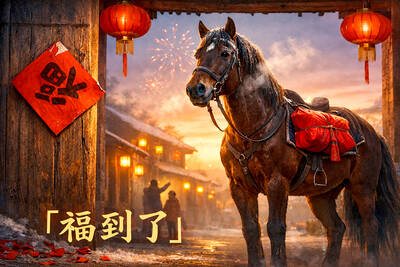
Bilingual Story is a fictionalized account. 雙語故事部分內容純屬虛構。 Just yesterday, the boy had helped hang the lucky red couplets. Tonight, as firecrackers signaled the New Year, he lay in bed burning with a surging fever. The herbalist checked the boy’s pulse and went still. “The only cure is in the county town across the mountains,” he said. “But the snow is deep, and the shops are shuttered until the Fourth Day.” The boy’s father looked at the window. “I will go.” “The roads are impassable for a cart,” the herbalist warned. “And too far for a man on foot.” The concerned neighbor
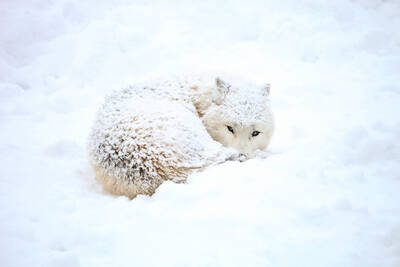
Many animals spend the winter in a deep, low-energy state known as “hibernation.” When food becomes scarce and cold conditions drain body heat, bats, hedgehogs, and some ground squirrels retreat to safe shelters. Their bodies slow down to save energy: heart rates drop, breathing becomes shallow, and body temperature falls. Plenty of preparation goes into hibernation. Shorter days and falling temperatures provoke these animals to eat more and store fat, which sustains the brain and other organs. Inside the body, hormones guide this seasonal change, triggering specific behavior and switching the system to energy-saving mode. Hibernation is not the only winter survival

1. 我沒有兄弟姊妹。 ˇ I have no brother(s) and sister(s). ˇ I don’t have any brothers or sisters. ˇ I have no siblings. χ I have not any brothers or sisters. 註:首句 no 是形容詞,加在名詞前作修飾用,意思等於 don’t have any。I have not any 是彆扭過時的講法,現代英文一般會說 I don’t have any... 或 I have no...。 又如:*In totalitarian countries people have not any freedom. 應改為 people have no freedom. 或 people do not have any freedom. 2 不要怕那隻狗。 ˇ Don’t be afraid of the dog. ˇ Don’t fear the dog. χ Don’t afraid of the dog. 註:afraid 是形容詞,在句中作補語,前面必須加 be 動詞。注意:「我不怕熱」,一般不說 *I’m not afraid of hot weather. 可以說:Hot weather doesn’t bother me. 3. 他準備好了嗎? ˇ Has he got everything

對話 Dialogue 清清:下個星期公司要辦尾牙,你會去參加嗎? Qīngqing: Xià gè xīngqī gōngsī yào bàn wěiyá, nǐ huì qù cānjiā ma? 華華:應該會吧。聽說今年會請大家吃一頓不錯的。 Huáhua: Yīnggāi huì ba. Tīng shuō jīnnián huì qǐng dàjiā chī yí dùn búcuò de. 清清:我第一次參加尾牙,有一點緊張,不知道要做什麼。 Qīngqing: Wǒ dì yī cì cānjiā wěiyá, yǒuyìdiǎn jǐnzhāng, bù zhīdào yào zuò shénme. 華華:不用擔心啦,尾牙主要就是吃飯、聊天,大家放鬆一下。 Huáhua: Búyòng dānxīn la, wěiyá zhǔyào jiù shì chīfàn, liáotiān, dàjiā fàngsōng yíxià. 清清:聽說尾牙還會抽獎,是真的嗎? Qīngqing: Tīng shuō wěiyá hái huì chōujiǎng, shì zhēn de ma? 華華:對啊,有些公司獎品還不錯,所以很多人都很期待。 Huáhua: Duì a, yǒuxiē gōngsī de jiǎngpǐn hái búcuò, suǒyǐ hěn duō rén dōu hěn qídài. 清清:那如果不去,會不會不太好? Qīngqing: Nà rúguǒ bú qù, huì bú huì bú tài hǎo? 華華:通常不會勉強,不過去參加比較有機會跟同事拉近關係。 Huáhua: Tōngcháng bú huì miǎnqiǎng, búguò qù cānjiā bǐjiào yǒu jīhuì gēn tóngshì


 RSS
RSS