


Many owners dote on their furry friends, providing everything they can possibly need. However, according to veterinarian Tsou Kum-lin, this can cause the animal to become overly attached to their owners and develop separation anxiety disorder.
Pets with separation anxiety can exhibit a variety of symptoms including panicking, fear, loss of appetite, whining, biting furniture or even self-mutilation. In general, dogs are more prone to separation anxiety than cats.
Tsou says that separation anxiety tends to occur when owners and their cats or dogs become overly attached to each other or when owners dote on their pets, typically by sharing food, making fresh homemade meals for the animal, and spending little time apart.
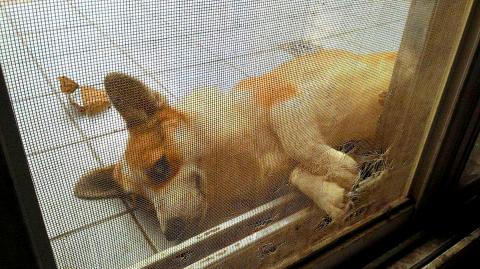
Photo: Tu Yu-an, Taipei Times
照片:台北時報涂宇安
To prevent separation anxiety, owners should avoid doting on their pets, or over preparing their food. Most of the time, providing food that meets their basic nutritional needs on a meal schedule should be good enough. On the other hand, the owner should also avoid constantly giving their pets attention.
According to Tsou, if the owner cannot handle the situation, then they could find a veterinarian who can help train the pet. One possible way is to let the pet stay with the veterinarian for a period of time, during which they would use a variety of techniques, including verbal corrections, and withholding attention, feeding it only kibbles to correct the pet’s behavior. Signs of improvement in the pet’s behavior can be expected within a week.
(CNA, translated by Tu Yu-an)
許多人無微不至寵愛毛小孩,但獸醫師鄒昆霖指出,若飼主讓犬貓過度依賴,毛小孩可能患上分離焦慮症。
患有分離焦慮症的毛小孩只要和飼主分離,就會出現驚慌、害怕、食慾減退、哀鳴、亂咬傢俱、甚至自殘等症狀。一般而言,狗罹患比例高於貓。
鄒昆霖表示,飼主和犬貓相處關係過度依賴,飼養方式「寵愛過頭」,包括共享食物、精心烹煮鮮食、形影不離,很容易造成毛小孩罹患分離焦慮症。
為避免分離焦慮症,飼主不應過度寵愛毛小孩,平日飲食正常規律即可,相處上也要適度冷落。
若飼主無法處理,鄒昆霖也建議飼主考慮將毛小孩送到獸醫院進行長期寄宿,由院方透過口說、忽視行為、只餵飼料等多種方式並行矯正,大約一週時間即可改善毛小孩的心態。
(中央社)
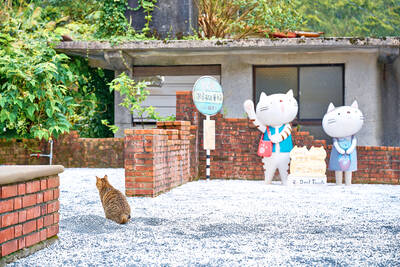
Nestled in the mountain region of northern Taiwan lies a small village that was once bustling due to a thriving coal industry, only to later gain fame for an entirely different reason — cats. This is Houtong Cat Village (猴硐貓村), located in Ruifang District, New Taipei City. Traditional Coal Mining and Village Transformation Houtong was originally known as “Monkey Cave” (houtong, 猴洞), a name derived from the wild monkeys that once inhabited caves in the surrounding hills. During the Japanese colonial period in the early 20th century, rich coal deposits were discovered and developed, rapidly turning Houtong into one of northern Taiwan’s

Beatboxing is the art of making drum sounds using nothing but your mouth, lips, tongue, and voice. This incredible skill turns your voice into a personal drum kit, allowing you to create beats and rhythms that sound just like those of real instruments. Born from hip-hop culture in the 1980s, beatboxing has evolved into a global form of musical expression found in various genres. What makes beatboxing so special? First, it requires no equipment at all. This accessibility allows you to develop your musical sense and rhythm skills wherever you are. Plus, beatboxing is a fantastic way to express
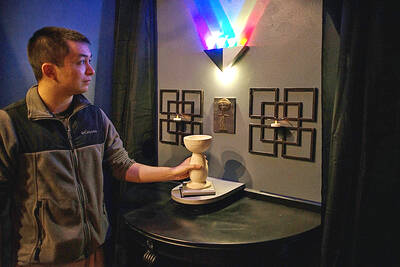
對話 Dialogue 清清:氣象預報說週末好像有寒流,天氣這麼冷,我只想宅在家裡。 Qīngqīng: Qìxiàng yùbào shuō zhōumò hǎoxiàng yǒu hánliú, tiānqì zhème lěng, wǒ zhǐ xiǎng zhái zài jiālǐ. 華華:說到這個,我週末想約剛認識的新朋友出去玩,但寒流來的話戶外活動可能不太合適,我還不知道要做什麼好。 Huáhua: Shuō dào zhège, wǒ zhōumò xiǎng yuē gāng rènshí de xīn péngyǒu chūqù wán, dàn hánliú lái de huà hùwài huódòng kěnéng bú tài héshì, wǒ hái bù zhīdào yào zuò shénme hǎo. 清清:要不要考慮去玩密室脫逃?我以前跟朋友去過,很好玩,而且不怕風吹雨淋。 Qīngqīng: Yào bú yào kǎolǜ qù wán mìshì tuōtáo? Wǒ yǐqián gēn péngyǒu qù guò, hěn hǎowán, érqiě bú pà fēng chuī yǔ lín. 華華:我覺得不錯,可是我們才剛認識,會不會太尷尬? Huáhua: Wǒ juéde búcuò, kěshì wǒmen cái gāng rènshí, huì bú huì tài gāngà? 清清:不會啦!玩密室脫逃需要大家一起合作,反而更容易變熟。 Qīngqīng: Bú huì la! Wán mìshì tuōtáo xūyào dàjiā yìqǐ hézuò, fǎn’ér gèng róngyì
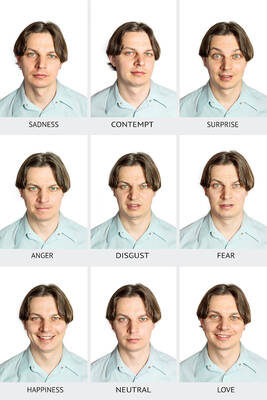
Continued from yesterday(延續自昨日) https://www.taipeitimes.com/News/lang Microexpressions appear quickly and can disappear in the blink of an eye. They typically last only a fraction of a second, yet they reveal a person’s true emotions. Here’s how to recognize the seven microexpressions. Happiness: The corners of the lips move upward and back, lifting the cheeks. Crow’s feet also form near the outside of the eyes. Sadness: The corners of the mouth turn downward, creating a frown. The eyebrows may also draw closer together. Disgust: The muscles around the nose and eyebrows tighten toward the bridge of the nose. The upper lip rises slightly to reveal the teeth. Surprise:


 RSS
RSS