


Unsurprisingly, COVID-19 dominated the most read topics in Features over the past year. What made our COVID-19 coverage unique, especially in the early days, is that we explored it through first-person accounts of contracting the virus or being quarantined after returning from abroad.
Surprisingly, other most-read stories included the Black Lives Matters movement in the US and how it impacts the global discusson on race. Two stories here examine what impact the movement has for Taiwan.
Whimsical stories also had a strong showing. Two articles took deep dives into different aspects of local culture: how magic folk beliefs remain a powerful part of people’s lives and the proliferation of assholes hiking in the mountains of Taiwan. Read on to see what most interested our readers this year:
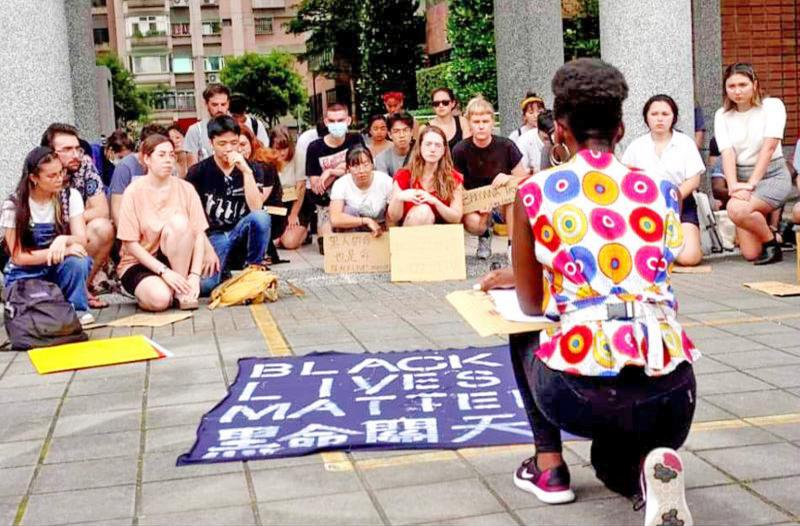
Photo courtesy of Bertholeen Ngo Penda
10. COVID-19 tips and reminders for non-Taiwanese (April 1)
It should be no surprise that this should appear on the Top 10 because many expats were confused about issues such as navigating the 14-day quarantine and what to expect if you contract COVID-19. The 10 tips given by contributor Douglas Habecker are as relevant today as they were eight months ago.
Photo: Noah Buchan, Taipei Times
9. ‘No remedy, no rights:’ China blocks foreigners from leaving (May 6)
This was the only wire story that made it. It lays bare China’s will to exert influence, not just over Chinese citizens in China, but also against permanent residents and citizens of other countries.
8. In Palau, no coronavirus — or tourists (April 15)
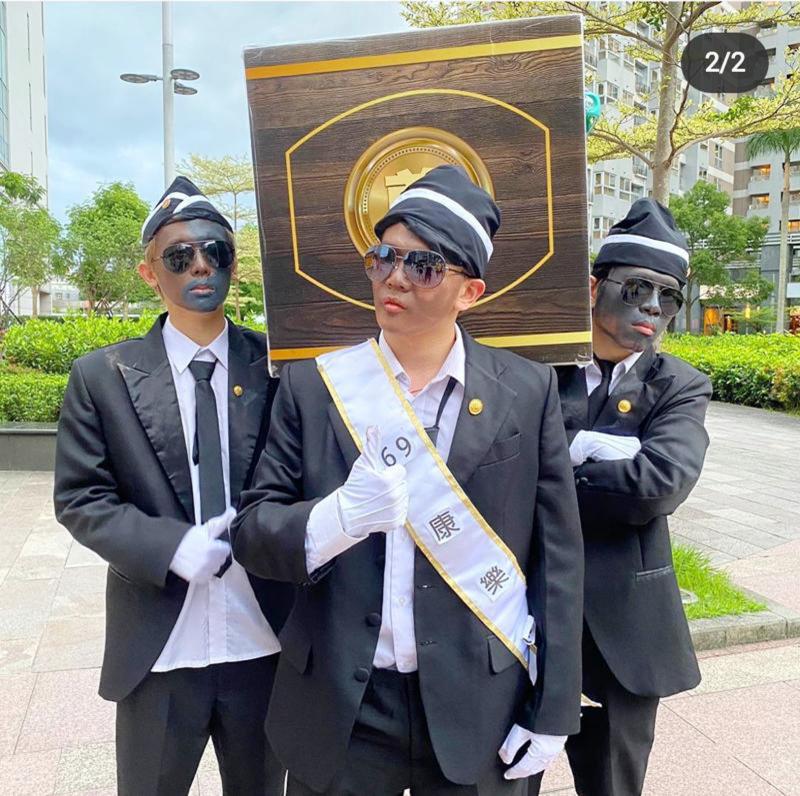
Photo: Screenshot
Contributor Katy Hui-wen Hung explores how COVID-19 impacts tourism in the Pacific island chain and how Taiwan, which has diplomatic ties with the country, helped test the first suspected case of COVID-19. She also quashes the myth that bat soup is responsible for spreading the virus.
7. Government unwilling to vouch for own rules (July 8)
While everyone at home and abroad were justifiably praising Taiwan for its handling of the global pandemic, contributor Steven Crook asks the government why permanent residents were not entitled to the first round of Triple Stimulus Voucher Program, NT$3,000 vouchers handed out to Taiwanese citizens and their spouses (after first paying NT$1,000). For many, it was much less about the money, which for the individual consumer wouldn’t amount to much, and more about the symbolism. But it seemed Steve’s message, and that of others who complained vocally, got through because permanent residents were eligible for the vouchers when the second round came out. If you see Steve, be sure to buy him a beer. Or three.
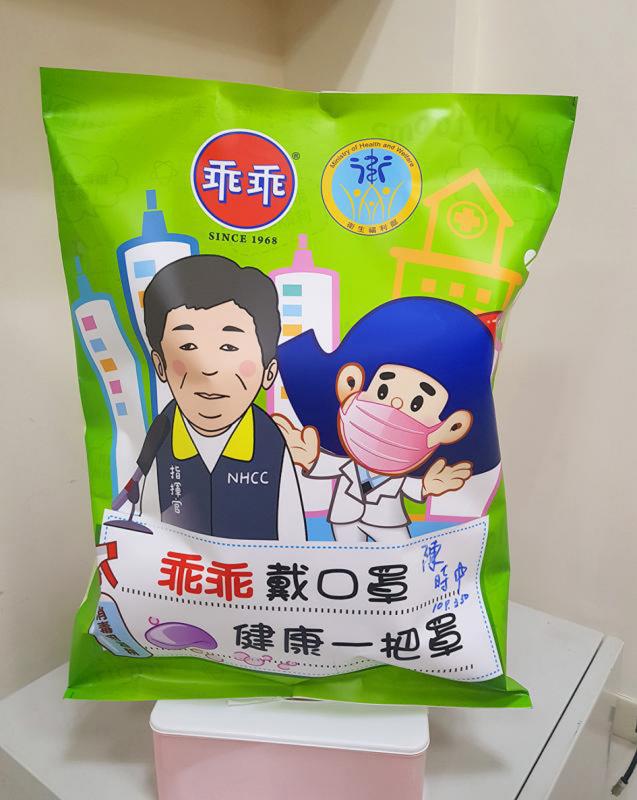
Photo: Noah Buchan, Taipei Times
6. Why Black Lives Matter in Taiwan (June 12)
It may seem strange that an issue, which on the surface doesn’t impact Taiwanese, would receive so much attention, but as staff reporter Han Cheung shows, the George Floyd killing at the hands of police became a space within which people could discuss the broader issue of racism and discrimination. It also showed that many in the expat community were united in their belief that racism remains an unresolved problem in the US.
5. COMPLAINT: A-holes on Taiwan’s mountains (Sept 3)
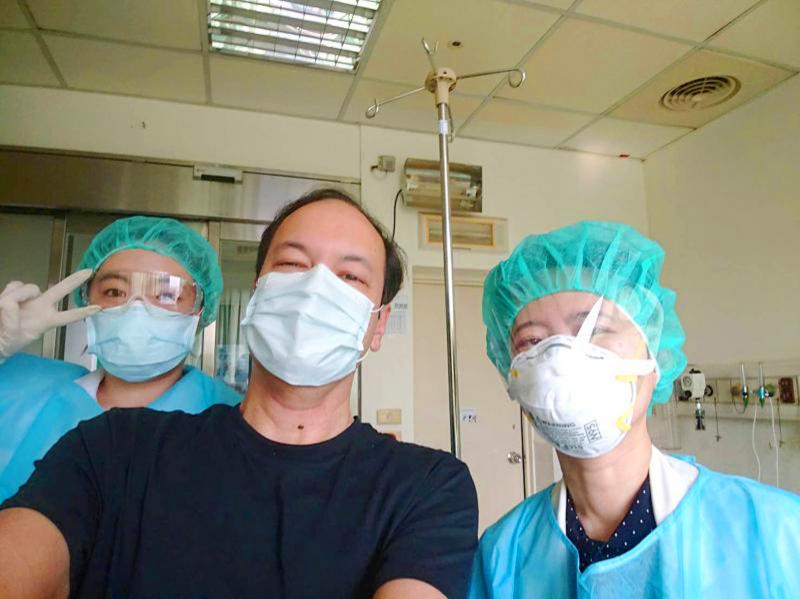
Photo: Douglas Habecker
Technology has brought with it incredible convenience, but also some annoyances. Taiwan has some of the best hiking anywhere is Asia — and you don’t have to leave Taipei to experience a taste of it. With COVID-19 essentially halting international travel, I spent a lot of time climbing local mountains — and learned that plenty of assholes do too. Drawing on the work of a US philosopher, I come to terms with these people polluting the mountains with their noise.
4. Blackface rears its ugly face in Taiwan (June 4)
From time to time, people being insensitive to minorities and history make headlines. Everybody remembers the Nazi cosplay at Hsinchu Kuang Fu High School in 2016 or the Long Live Nazi spaghetti (納粹萬歲麵) found on a restaurant menu in 2014. Blackface continues to be an issue, as Han Cheung writes in his story about how Super Entourage wanted to perform a rendition of the wildly popular “Ghana Coffin Dance,” a meme that took the world by storm. The group deleted the performance a few days later following a massive outcry from netizens.
3. Taiwan: the island retreat (April 21)
The headline pretty much says it all. Seeing that the number of cases in Taiwan remained low, contributor Laurence Marcout on March 15 ordered her son to return from Scotland, where he was doing a one-year exchange program. She then gives a personal account of the 14-day quarantine that he endured at home alone and the impact it had on their entire family and community.
2. How a snack protects Taiwan’s tech (Nov. 19)
This was a nice distraction from COVID-19, the protests in the US our increasingly dangerous neighbor across the Taiwan Strait and all the other problems facing the world this year. Taiwan managed to handle the pandemic better than most countries, with barely any disruptions to daily living. And yet, in such a technologically-advanced society, one that reveres doctors, lawyers and engineers, the folk belief in magic remains pervasive. In this story I explore how a savory snack, called Kuaikuai, is widely used by IT professionals as a talisman or amulet to protect their tech, tracing similar practices back to antiquity. Today, the snacks are also used as a kind of messaging: politicians cite them when campaigning for public office and police officers place them in their precincts to protect them from criminals. The fact that magic remains so prevalent makes living in Taiwan endlessly fascinating.
1. Catching COVID-19 in Taiwan: A foreigner’s perspective (April 1)
Long-term expat Douglas Habecker gives a first-hand account of his experience catching coronavirus and then spending two weeks at a hospital in Taichung. The moving account discussed his symptoms, the great care medical staff provided him and his experiences with his neighbors after he returned home.
As one Facebook user wrote: “Thank you for taking such care in describing your dance with the coronavirus. It is a testimony to the medical professionals, your friends and those who were behind the scenes that wanted you to recover.”
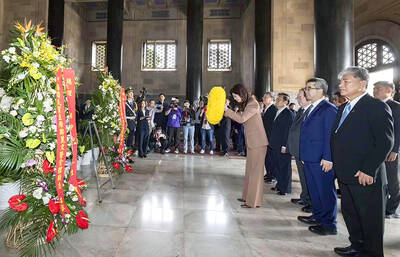
The problem with Marx’s famous remark that history repeats itself, first as tragedy, the second time as farce, is that the first time is usually farce as well. This week Chinese Nationalist Party (KMT) Chair Cheng Li-wun (鄭麗文) made a pilgrimage to the People’s Republic of China (PRC) “to confer, converse and otherwise hob-nob” with Chinese Communist Party (CCP) officials. The visit was an instant international media hit, with major media reporting almost entirely shorn of context. “Taiwan’s main opposition leader landed in China Tuesday for a rare visit aimed at cross-strait ‘peace’”, crowed Agence-France Presse (AFP) from Shanghai. Rare!

What is the importance within the Chinese Nationalist Party (KMT) of the meeting between Xi Jinping (習近平), the leader Chinese Communist Party (CCP), and Cheng Li-wun (鄭麗文), the leader of the KMT? Local media is an excellent guide to determine how important — or unimportant — a news event is to the public. Taiwan has a vast online media ecosystem, and if a news item is gaining traction among readers, editors shift resources in near real time to boost coverage to meet the demand and drive up traffic. Cheng’s China trip is among the top headlines, but by no means

Sunflower movement superstar Lin Fei-fan (林飛帆) once quipped that the Democratic Progressive Party (DPP) could nominate a watermelon to run for Tainan mayor and win. Conversely, the DPP could run a living saint for mayor in Taipei and still lose. In 2022, the DPP ran with the closest thing to a living saint they could find: former Minister of Health and Welfare Chen Shih-chung (陳時中). During the pandemic, his polling was astronomically high, with the approval of his performance reaching as high as 91 percent in one TVBS poll. He was such a phenomenon that people printed out pop-up cartoon
A recent report from the Environmental Management Administration of the Ministry of Environment highlights a perennial problem: illegal dumping of construction waste. In Taoyuan’s Yangmei District (楊梅) and Hsinchu’s Longtan District (龍潭) criminals leased 10,000 square meters of farmland, saying they were going to engage in horticulture. They then accepted between 40,000 and 50,000 cubic meters of construction waste from sites in northern Taiwan, charging less than the going rate for disposal, and dumped the waste concrete, tile, metal and glass onto the leased land. Taoyuan District prosecutors charged 33 individuals from seven companies with numerous violations of the law. This


 RSS
RSS