


Formosa International Hotels Corp (FIH, 晶華國際酒店集團) is positive about earnings growth this quarter and beyond as the hospitality industry gradually emerges from the COVID-19 pandemic and the government is inclined to ease disease prevention measures.
The Taipei-based company made the remarks on Monday after posting NT$109 million (US$3.63 million) in net income for last quarter, the lowest in eight quarters, or earnings per share of NT$0.69.
The results represented a 3.28 percent decline from a year earlier, as the public generally stayed home to avoid infections and the sale of pizza chain Domino’s Taiwan in June last year raised the comparison bar.
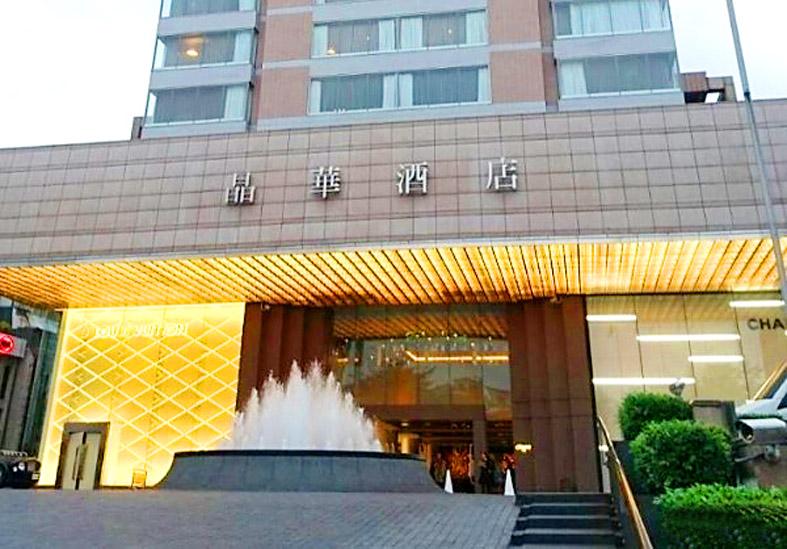
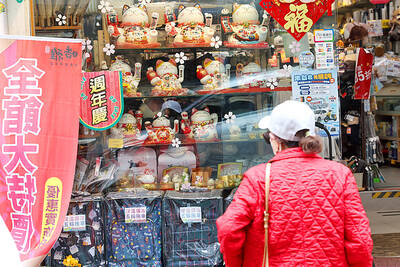
Photo: Taipei Times
The company sold all its shares in Pizzavest Co (達美樂披薩), the operator of Domino’s Taiwan, to Australia-listed fast-food operator Domino’s Pizza Enterprises Ltd for US$61.2 million.
Lingering border controls continued to constrain its capacity to serve foreign tourists, but its properties fared better than peers in the past two-and-a-half years by measure of profitability, FIH said in a statement.
Stripping out the Domino’s deal, FIH would have achieved a 51.11 percent increase year-on-year in net profit, it said.
Cumulative revenue in the first six months weakened 4.27 percent to NT$246 billion, while net income shrank 4.37 percent to NT$390 million, or earnings per share of NT$2.67, the company said.
In the absence of the one-off income linked to Domino’s, year-to-date profit would have expanded 11.5 percent, the company said.
The situation has improved this quarter as the daily number of COVID-19 cases has steadily declined and the government last month introduced a new travel subsidy to shore up domestic tourism.
FIH, which operates hotels under the Regent Taipei (台北晶華), Silks Place (晶英), Wellspring by Silks (晶泉丰旅) and Just Sleep (捷絲旅) brands, as well as independent restaurants such as Spice Market (泰市場), Just Italian (義饗食堂) and Just Grill Steakhouse, said it would focus on wooing local family tourists before Taiwan lifts border controls.
This quarter is the high season for domestic tourism due to the summer vacation, and the Mid-Autumn Festival next month should boost sales of moon cakes and other gift boxes as a whole, it said.
The next quarter is the high season for food and beverage sales on the back of corporate feasts and family gatherings, it said.
In addition, health authorities are widely expected to further ease COVID-19 controls and coexist with the virus as many countries around the world have done.
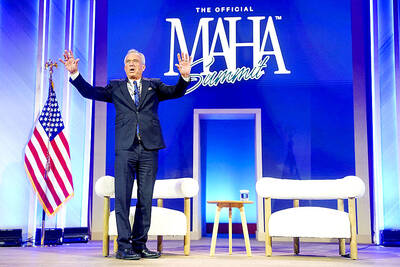
Sweeping policy changes under US Secretary of Health and Human Services Robert F. Kennedy Jr are having a chilling effect on vaccine makers as anti-vaccine rhetoric has turned into concrete changes in inoculation schedules and recommendations, investors and executives said. The administration of US President Donald Trump has in the past year upended vaccine recommendations, with the country last month ending its longstanding guidance that all children receive inoculations against flu, hepatitis A and other diseases. The unprecedented changes have led to diminished vaccine usage, hurt the investment case for some biotechs, and created a drag that would likely dent revenues and
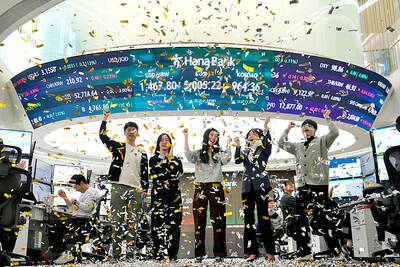
Global semiconductor stocks advanced yesterday, as comments by Nvidia Corp chief executive officer Jensen Huang (黃仁勳) at Davos, Switzerland, helped reinforce investor enthusiasm for artificial intelligence (AI). Samsung Electronics Co gained as much as 5 percent to an all-time high, helping drive South Korea’s benchmark KOSPI above 5,000 for the first time. That came after the Philadelphia Semiconductor Index rose more than 3 percent to a fresh record on Wednesday, with a boost from Nvidia. The gains came amid broad risk-on trade after US President Donald Trump withdrew his threat of tariffs on some European nations over backing for Greenland. Huang further
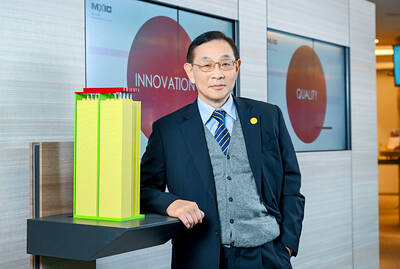
Macronix International Co (旺宏), the world’s biggest NOR flash memory supplier, yesterday said it would spend NT$22 billion (US$699.1 million) on capacity expansion this year to increase its production of mid-to-low-density memory chips as the world’s major memorychip suppliers are phasing out the market. The company said its planned capital expenditures are about 11 times higher than the NT$1.8 billion it spent on new facilities and equipment last year. A majority of this year’s outlay would be allocated to step up capacity of multi-level cell (MLC) NAND flash memory chips, which are used in embedded multimedia cards (eMMC), a managed
CULPRITS: Factors that affected the slip included falling global crude oil prices, wait-and-see consumer attitudes due to US tariffs and a different Lunar New Year holiday schedule Taiwan’s retail sales ended a nine-year growth streak last year, slipping 0.2 percent from a year earlier as uncertainty over US tariff policies affected demand for durable goods, data released on Friday by the Ministry of Economic Affairs showed. Last year’s retail sales totaled NT$4.84 trillion (US$153.27 billion), down about NT$9.5 billion, or 0.2 percent, from 2024. Despite the decline, the figure was still the second-highest annual sales total on record. Ministry statistics department deputy head Chen Yu-fang (陳玉芳) said sales of cars, motorcycles and related products, which accounted for 17.4 percent of total retail rales last year, fell NT$68.1 billion, or


 RSS
RSS