


Taiwan moved up three spots from last year to place eighth, its best performance since 2013, in the latest annual world competitiveness rankings, released yesterday by the International Institute for Management Development (IMD).
Innovation, digitalization, welfare benefits and social cohesion are critical to economic performance, with Switzerland, Sweden, Denmark, the Netherlands and Singapore making up the top five on the list this year, the Switzerland-based institute said, after grading 64 countries and regions based on economic performance, infrastructure, and government and business efficiency.
“Leading performers are characterized by varying degrees of investment in innovation, diversified economic activities and supportive public policy,” IMD World Competitiveness Center director Arturo Bris said in a statement.
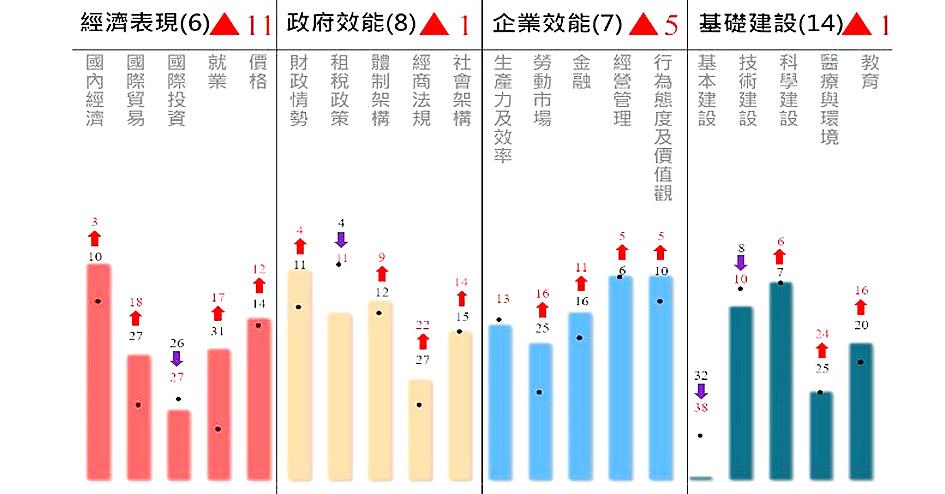
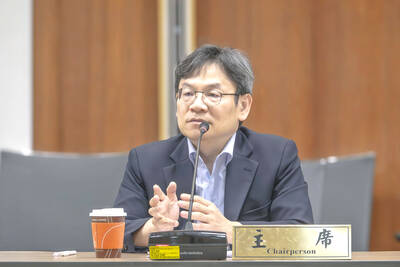
Photo courtesy of National Development Council
Strength in these areas prior to the COVID-19 pandemic allowed these economies to cope with the economic implications of the virus crisis more effectively, Bris said.
Taiwan improved in all four areas, with its economic performance making the biggest leap from 17th to sixth place, the report showed.
It is one of the few economies that registered concrete GDP growth last year and continues to thrive this year.
Taiwan’s business efficiency also improved significantly, moving from 12th to seventh place, IMD said, adding that the nation moved up one place in government efficiency and infrastructure to eighth and 14th place respectively.
Taiwan faces various challenges, including the promotion of technology innovation and enhancing its international cooperation, as well as improving domestic and foreign investment, to seize opportunities created by a global recovery in the post-pandemic era, IMD said.
Taiwan needs to cultivate, retain and recruit digital talent, the institute said, adding that it also needs to foster social cohesion and social inclusion.
In addition, Taiwan has to reinforce energy saving and carbon reduction to ensure environmental sustainability, in line with a major global trend, it said.
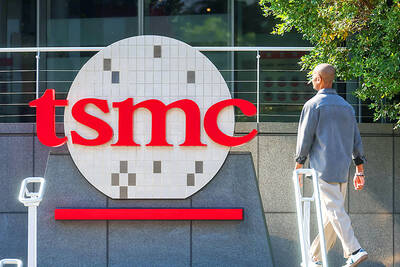
Shares of contract chipmaker Taiwan Semiconductor Manufacturing Co (TSMC, 台積電) came under pressure yesterday after a report that Apple Inc is looking to shift some orders from the Taiwanese company to Intel Corp. TSMC shares fell NT$55, or 2.4 percent, to close at NT$2,235 on the local main board, Taiwan Stock Exchange data showed. Despite the losses, TSMC is expected to continue to benefit from sound fundamentals, as it maintains a lead over its peers in high-end process development, analysts said. “The selling was a knee-jerk reaction to an Intel-Apple report over the weekend,” Mega International Investment Services Corp (兆豐國際投顧) analyst Alex Huang
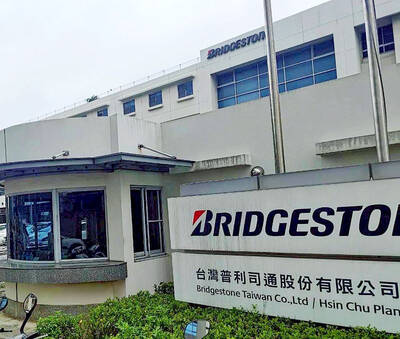
TRANSITION: With the closure, the company would reorganize its Taiwanese unit to a sales and service-focused model, Bridgestone said Bridgestone Corp yesterday announced it would cease manufacturing operations at its tire plant in Hsinchu County’s Hukou Township (湖口), affecting more than 500 workers. Bridgestone Taiwan Co (台灣普利司通) said in a statement that the decision was based on the Tokyo-based tire maker’s adjustments to its global operational strategy and long-term market development considerations. The Taiwanese unit would be reorganized as part of the closure, effective yesterday, and all related production activities would be concluded, the statement said. Under the plan, Bridgestone would continue to deepen its presence in the Taiwanese market, while transitioning to a sales and service-focused business model, it added. The Hsinchu
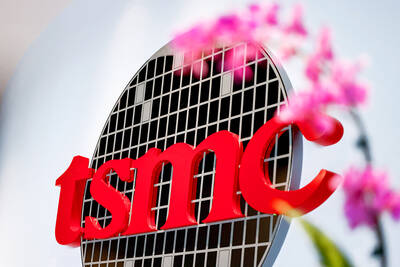
Taiwan Semiconductor Manufacturing Co (TSMC, 台積電) has approved a capital budget of US$31.28 billion for production expansion to meet long-term development needs during the artificial intelligence (AI) boom. The company’s board meeting yesterday approved the capital appropriation plan for purposes such as the installation of advanced technology capacity and fab construction, the world’s largest contract chipmaker said in a statement. At an earnings conference last month, TSMC forecast that its capital expenditure for this year would be at the higher end of the US$52 billion to US$56 billion range it forecast in January in response to robust demand for 5G, AI and
Taiwan Semiconductor Manufacturing Co’s (TSMC, 台積電) investment project in Arizona has progressed better than expected, but it still faces challenges such as water and labor shortages, National Development Council (NDC) Minister Yeh Chun-hsien (葉俊顯) said yesterday. Speaking with reporters after visiting TSMC’s Arizona hub and attending the SelectUSA Investment Summit in Maryland last week, Yeh said TSMC’s Arizona site turned a profit of NT$16.14 billion (US$514 million) last year in its first full year of mass production. “TSMC told me it was surprised by the smooth trial run of the first fab, which has left the company optimistic about the project’s outlook,”


 RSS
RSS