


Symptoms such as sore legs, weakness and pain could signal conditions other than orthopedic disorders, Cathay General Hospital physician Wang Wen-hung (王文弘) has said, citing the case of a 63-year-old woman who had the symptoms due to hyperparathyroidism, a condition caused by overactive parathyroid glands.
The woman had over the past five years suffered from sore legs and weakness, so she got foot massages and received qigong treatment, and visited hot springs, but to no avail, Wang said.
She also sought help from orthopedists, who prescribed medication and intra-articular hyaluronan injections at the knees for osteoporosis, but the symptoms were hardly relieved, he added.

Photo: Lo Chi, Taipei Times
She used a cane to walk, had a poor appetite and was fatigued, Wang said, adding that her weight dropped from 62kg to 46kg over the period.
She eventually sought medical help at Cathay General Hospital, where Wang said he diagnosed her with hyperparathyroidism, which causes hypercalcemia — a condition in which the calcium level in the blood is above normal and can weaken the bones.
She underwent surgery for primary hyperparathyroidism 10 years ago, when surgeons removed a benign tumor in the parathyroid gland, he said.
Her latest symptoms were caused by an increased calcium level in the blood, as her hyperparathyroidism had relapsed, Wang added.
The incidence rate of primary hyperparathyroidism is about 25 to 30 people per 100,000 people, and is highest in the 50-to-60 age group, he said.
It is a common disorder more often diagnosed in postmenopausal women, he added.
Hyperparathyroidism not only affects the bones by overproducing the parathyroid hormone in an attempt to increase the amount of calcium in the blood, it can also increase the risk of kidney disease, including kidney stones and kidney failure in serious cases, Wang said.
Primary hyperparathyroidism can be controlled by medication if the symptoms are mild, but if the condition gets worse or develops into other complications, then surgery is the only option for treatment, which can cure 95 percent of all cases, he said.
People with hyperparathyroidism should undergo checkups regularly to monitor their health condition, he added.

Eight Chinese naval vessels and 24 military aircraft were detected crossing the median line of the Taiwan Strait between 6am yesterday and 6am today, the Ministry of National Defense said this morning. The aircraft entered Taiwan’s northern, central, southwestern and eastern air defense identification zones, the ministry said. The armed forces responded with mission aircraft, naval vessels and shore-based missile systems to closely monitor the situation, it added. Eight naval vessels, one official ship and 36 aircraft sorties were spotted in total, the ministry said.
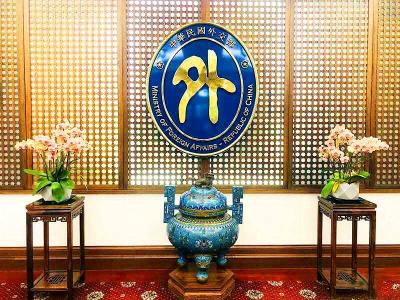
The Ministry of Foreign Affairs (MOFA) today said that if South Korea does not reply appropriately to its request to correct Taiwan’s name on its e-Arrival card system before March 31, it would take corresponding measures to alter how South Korea is labeled on the online Taiwan Arrival Card system. South Korea’s e-Arrival card system lists Taiwan as “China (Taiwan)” in the “point of departure” and “next destination” fields. The ministry said that it changed the nationality for South Koreans on Taiwan’s Alien Resident Certificates from “Korea” to “South Korea” on March 1, in a gesture of goodwill and based on the

Taiwanese officials were shown the first of 66 F-16V fighter jets purchased by Taiwan from the United States, the Ministry of National Defense said yesterday, adding the aircraft has completed an initial flight test and is expected to be delivered later this year. A delegation led by Deputy Minister of National Defense Hsu Szu-chien (徐斯儉) visited Lockheed Martin’s F-16 C/D Block 70 (also known as F-16V) assembly line in South Carolina on March 16 to view the aircraft. The jet will undergo a final acceptance flight in the US before being delivered to Taiwan, the
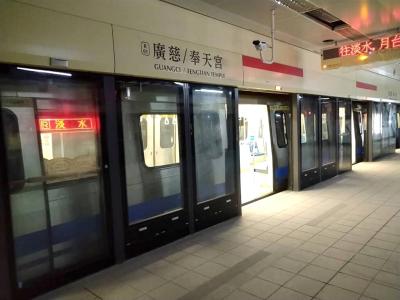
The New Taipei Metro's Sanyin Line and the eastern extension of the Taipei Metro's Tamsui-Xinyi Line (Red Line) are scheduled to begin operations in June, the National Development Council said today. The Red Line, which terminates at Xiangshan Station, would be connected by the 1.4km extension to a new eastern terminal, Guangci/Fengtian Temple Station, while the Sanyin Line would link New Taipei City's Tucheng and Yingge stations via Sanxia District (三峽). The council gave the updates at a council meeting reviewing progress on public construction projects for this year. Taiwan's annual public infrastructure budget would remain at NT$800 billion (US$25.08 billion), with NT$97.3


 RSS
RSS